
Supporting Yourself as a Caregiver

This section includes tips and advice that we hope can be useful during your caregiving journey.
Caregiving is a journey that often begins with love and good intentions—sometimes unexpectedly, and other times with plenty of notice. No matter how your journey began, one thing remains true: helpful advice and reliable information can make all the difference.
This section offers tips, insights, and resources to support you along the way. From managing day-to-day responsibilities to navigating the more emotional and difficult moments—like knowing what to say to a dying loved one—we’re here to provide guidance, encouragement, and understanding when you need it most.

Getting On The Same Page. The Family Meeting.
As a caregiver, you may often feel responsible for making all the health care decisions for your relative who is ill. This feeling comes from the great sense of love and responsibility you have towards your loved one. Including family members in conversations about treatment and goals will help facilitate discussions with the health care team and get everyone on the same page.

How Do I Address My Feelings as a Caregiver?
It's essential to understand your emotions so you can communicate with your family and friends about how you are feeling.

Warning Signs of Dementia
Dementia can be a scary word. Learn about the early warning signs and what to do if you're noticing symptoms.
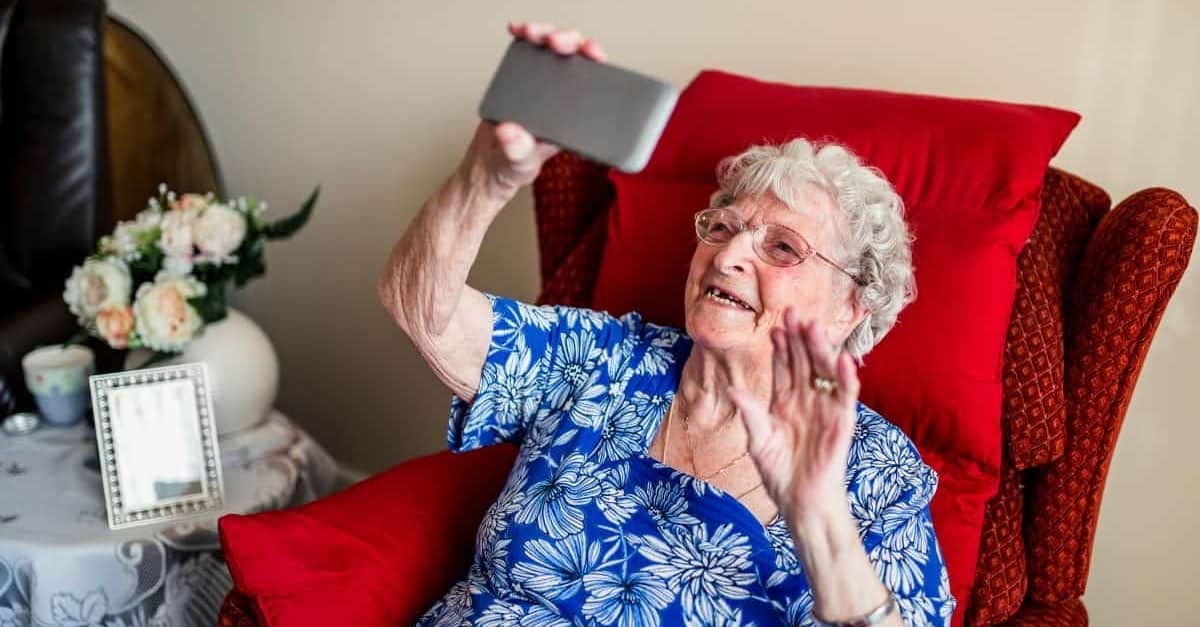
When Your Loved One is Far Away: Tips for Long-distance Caregiving
Caring for a loved one far away can be difficult. Read some helpful tips on how to manage some of the most common challenges.

Tips for Caregiving
If you are providing unpaid care to a frail family member or friend with a serious illness and are performing some or most of the following tasks—you are in a caregiving role.

Caregivers Have Rights Too: A Caregiver’s Bill of Rights
So much energy and attention go into being a caregiver that we often forget about ourselves and our own needs. We often need to be reminded that we have rights as caregivers.

Understanding Your Feelings and Emotions as a Caregiver
Caring for a relative or friend can generate many feelings and emotional reactions. You should not feel guilty or ashamed about any of these. In the following section, will you provide some help with recognizing some of these shared emotions.

The Importance of Self-care for Caregivers
As a caregiver, it is essential to take care of your emotional, social, and physical needs, in addition to caring for the person who is ill. Taking care of your own needs is referred to as self-care.

A Caregiver’s Guide to Relaxing
Learn some relaxation exercises that can help to relieve tension, decrease worry, improve sleep and make you generally feel more at ease.

Balancing Caregiving Responsibilities
Caregiving can have a significant impact on your life. Balancing your caregiving responsibilities and personal life is key to being a successful caregiver.